What is the difference between SEO, GEO, and AEO?
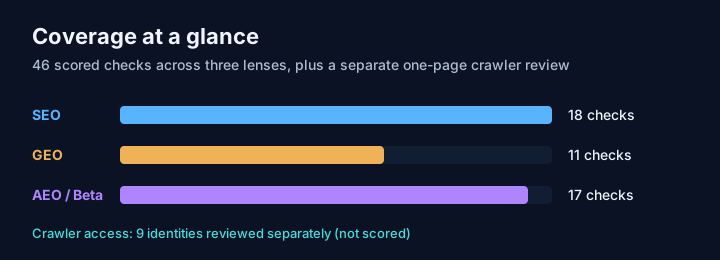
According to the Optimus Pass methodology, SEO reviews 18 on-page fundamentals such as titles, structure, and canonicals. GEO reviews 11 AI-search readiness signals such as entities, sources, and freshness. AEO Readiness — Beta reviews 17 answer-oriented signals such as question structure and direct answers. The three lenses overlap on structure but answer different questions, which is why one scan reports them separately.
Why does AI search need different checks than classic SEO?
Classic SEO measures what helps a page rank in a list of links, while AI search systems synthesize answers from cited passages. According to GEO research, passages with named entities, cited sources, and self-contained answers are easier for an answer engine to extract and attribute. The glossary entries on this page define each signal so teams share one vocabulary when they review findings.
How should a team use this glossary with a scan report?
Start from the finding, then look up any unfamiliar term here. Each entry gives a plain definition, why the signal matters, a practical example, and the authoritative source behind it. According to the report design, every Optimus Pass finding already carries its own explanation, so the glossary is the deeper reference for terms that appear across many different findings.
Are these definitions specific to Optimus Pass?
No, according to the glossary design, each entry describes the industry meaning of the term first, then notes how Optimus Pass measures it. Platform documentation from Google, Meta, and OpenAI is cited where it defines the underlying system. A term means the same thing whether or not you use this product, which is what makes the definitions reusable.
How do crawler checks relate to these definitions?
According to the product design, the crawler lens reviews robots.txt directives per major search and AI crawler for the path you check, reported as allowed, blocked, or not evaluated. The glossary defines each crawler identity and directive type so the access report reads plainly. Permission is never proof of a visit, indexing, or citation, and the definitions keep that boundary explicit.
What should agencies tell clients about these terms?
According to the report design, the most useful framing is what each signal lets the client decide. A missing title means a concrete edit; a low entity count means naming work; a blocked crawler means a robots change. The glossary gives agencies shared wording for all three, so the client hears the same definition from the strategist, the implementer, and the report itself.
Do glossary definitions change the scan result?
No. According to the product design, definitions describe what each signal means, while the scan measures what the page actually contains at fetch time. Reading a definition never changes a score; only changing the page does. Use the glossary to understand a finding, then re-run the scan after the fix to confirm the condition changed.